For many of the world’s wealthiest families and entrepreneurs, the appeal of owning a yacht goes far beyond the gleaming hull or the promise of secluded anchorages. A yacht is a private sanctuary, a mobile estate capable of whisking owners from Monaco to the Maldives on their own timetable. Yet the romance of cruising turquoise waters can obscure a hard truth: the purchase price is only the first line in a long ledger. Seasoned owners know that a vessel’s true cost lies in its total cost of ownership – a combination of acquisition expenses, operating and maintenance budgets, crew and management costs, insurance, taxes, and the inevitable depreciation that comes with time at sea. Understanding these factors isn’t about discouraging prospective buyers; it’s about ensuring that expectations align with reality so that ownership can deliver pleasure rather than surprise.
This guide draws on data from yacht brokers, shipyards and management firms to explain how cost drivers vary with boat size, construction and usage patterns. It addresses the spectrum of yachts – from entry‑level cruising boats and power catamarans to expedition yachts and 100‑plus‑metre superyachts – highlighting where economies of scale exist and where complexity adds exponential cost. The goal is to empower prospective buyers with the knowledge they need to budget responsibly and enjoy their investment for years to come.
Understanding Total Cost of Ownership
What is the total cost of ownership?
Total cost of ownership (TCO) refers to all of the expenditures required to purchase, operate, maintain and eventually dispose of a yacht. It includes the asking price and any financing costs, surveys and taxes; annual operating expenses (fuel, dockage, utilities and insurance); scheduled maintenance and unexpected repairs; crew salaries; management and administrative fees; depreciation; and major refits or upgrades. Industry professionals use TCO to help clients compare vessels on more than headline price and to assess whether a purchase fits their long‑term lifestyle and financial goals.
Annual cost as a percentage of vessel value
For planning purposes, brokers often suggest that owners budget a fixed percentage of the yacht’s value for annual operations. North Pacific Yachts advises clients that operating costs typically range between 10 % and 20 % of a yacht’s value each year. This rule of thumb covers recurring expenses such as dockage, fuel, insurance, crew, maintenance and seasonal storage. A 50‑foot cruising yacht valued at US$1 million may therefore cost US$100 000–US$200 000 per year. Larger vessels with professional crews and global cruising ambitions can exceed US$500 000 annually. Fraser Yachts offers a similar benchmark for superyachts, estimating annual running costs at 10–15 % of purchase value. These percentages can be conservative or generous depending on how intensively the yacht is used, its age and the owner’s expectations for service and presentation.
Factors that influence costs
Several variables can make annual budgets deviate from the rule‑of‑thumb:
- Size and complexity: Larger yachts carry more systems, require bigger engines, and demand greater crew complements. A mid‑size motor yacht may be operated by an owner‑operator or small team, while vessels over 30 metres almost always carry professional crew. With each metre added to the length overall, costs for maintenance, dockage and insurance rise.
- Usage pattern: Yachts used seasonally for coastal cruising incur lower fuel, provisioning and wear‑and‑tear costs than yachts that cross oceans or operate continuously as charter vessels. Full‑time world cruising dramatically increases fuel consumption and routine servicing.
- Age and condition: Newer yachts under warranty can have lower maintenance outlays initially, whereas older or heavily used vessels may need significant overhauls. Scheduled yard periods every few years for hull paint, machinery overhauls and refits can be major line items.
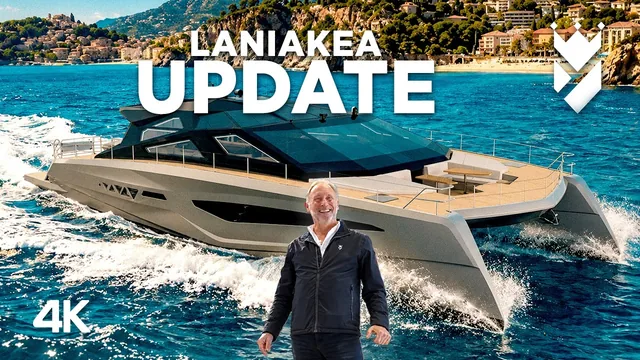
- Crew requirements: The number and calibre of crew members depend on yacht size, flag-state regulations, cruising area, insurance requirements, and owner expectations. Crew expenses often represent the single largest component of an operating budget for yachts over 30 metres. LANIAKEA, however, has been designed to support owner operation and, in many jurisdictions, may be operated by the owner with a reduced crew or without permanent professional crew, subject to the applicable flag-state and local requirements. For owners seeking maximum independence, her systems, layout, and onboard operation have been developed to make self-operation practical and manageable.
- Cruising region: Costs vary widely by geography. Prime slips in Monaco, St. Tropez or the Bahamas can command six‑figure annual dockage fees, while marinas in less popular areas charge less. Insurance premiums, taxes and compliance requirements also vary by flag state and cruising area.
Purchase Costs Beyond the Asking Price
Surveys and sea trials
An agreed purchase price is only a starting point. Before closing, buyers commission detailed surveys to assess hull integrity, machinery, electrical systems and safety equipment. A sea trial under various conditions evaluates performance and systems under load. Survey costs scale with vessel size and complexity, and any deficiencies discovered can either derail the sale or lead to price adjustments. For superyachts, survey teams often include naval architects, engine specialists and interior experts.
Legal fees, documentation and taxes
Legal representation is advisable to review contracts, negotiate warranties and ensure that title transfers are free of liens. Registration fees vary by flag state and may require proof of compliance with international standards such as the Maritime Labour Convention. Buyers should also budget for taxes, import duties and value‑added tax (VAT), which can be substantial. The European Union’s VAT regime, for example, can add up to 20 % of the purchase price for yachts purchased or kept in EU waters.
Delivery and immediate post‑purchase costs
Once a sale closes, there are still costs before an owner can enjoy the first cruise. Delivery of a newly built or brokerage vessel from the shipyard to the home port may involve professional delivery crews, insurance and fuel. According to Denison’s cost‑of‑ownership white paper, post‑purchase expenses also include interior upgrades, crew recruitment and the purchase of tenders and toys. New owners may choose to retrofit communications systems or personalise décor; these projects can range from modest refurbishments to multi‑million‑dollar interior redesigns.
Financing
Although some buyers pay cash for their yachts, financing is common, particularly in the 30–80 foot segment. North Pacific Yachts notes that marine lenders typically require 20–30 % down with terms between five and twenty years. Interest rates depend on credit history, vessel type and loan amount. Buyers should also consider the impact of financing on insurance premiums and potential tax advantages if the yacht is structured through a business.
Annual Operating Expenses
The bulk of the ownership budget goes toward keeping the yacht operational and ready to cruise. These recurring costs vary widely but generally include fuel, dockage and mooring, utilities and communications, insurance, cleaning and consumables.
Fuel consumption and propulsion
Fuel is often the most visible operating expense, particularly for motor yachts. Consumption depends on vessel size, engine efficiency, cruising speed and distances covered. A typical 150‑foot motor yacht cruising at 12 knots burns around 150 U.S. gallons per hour, meaning that 500 hours of operation can cost roughly US$250 000 at today’s fuel prices. Generator use at anchor and tender operations add to this total. By contrast, smaller motor yachts or performance sailing yachts with hybrid propulsion can be far more economical. Fuel budgeting should include allowances for price fluctuations by region and plan for high‑consumption passages across oceans.
Dockage, mooring and marina fees
Where and how a yacht is berthed has a significant impact on annual costs. Prime marina berths in destinations such as Monaco, Saint‑Tropez or the Caribbean can command six‑figure annual fees. Transient docking fees during peak season may range from US$5 to US$10 per foot, per night. In the United States, mooring a 45‑foot catamaran in Fort Lauderdale can cost US$1 600–US$2 000 per month, whereas more rural areas like Fort Pierce charge US$1 200–US$1 600. Private slips may be cheaper but offer fewer amenities. Mooring balls, though the least expensive (around US$200–US$300 per month), require dinghy access and provide less convenience. Owners of catamarans should note that their wider beam often requires two side‑by‑side slips; marina fees for cats can be roughly double those of a comparable monohull, although end‑tie berths may only be 25–50 % more.
Utilities and communications
Yachts rely on shore power, fresh water, sewage pump‑outs, waste disposal and sometimes city gas or propane for galleys. These utilities are typically metered at marinas and can add a few hundred to several thousand dollars per month, depending on size and usage. High‑bandwidth communications are essential for work and entertainment afloat; Denison Yachting suggests budgeting US$4 000–US$5 000 per month for broadband satellite service. Additional costs include satellite TV, crew mobile phones and streaming subscriptions. For coastal cruising, costs may drop as cellular 5G networks expand, but global cruising still requires VSAT or other satellite solutions.
Insurance and risk management
Marine insurance covers hull damage, machinery, pollution liability, third‑party liability and crew. Premiums are generally based on 0.5 % to 2 % of the yacht’s value per year. Boat International notes that high‑performance yachts, those cruising internationally or operating as charter vessels carry higher risk profiles and therefore higher premiums. Fraser Yachts emphasises working with specialist brokers to tailor policies to cruising plans and ensure adequate protection. Owners should also factor in crew health insurance, which can add tens of thousands of dollars annually for larger yachts.
Crew salaries and operational support
Crew wages constitute the largest ongoing expense for yachts over 30 metres. An experienced captain can earn US$80 000–US$150 000 per year. For a mid‑size superyacht carrying eight to fifteen full‑time crew, individual salaries range from €40 000 to more than €150 000 per year depending on role and expertise. Fraser Yachts notes that on larger superyachts, the total crew budget can exceed €1 million annually. Denison’s white paper estimates that a crew of eight on a 150‑foot yacht costs over US$650 000 per year in salary alone and nearly US$950 000 when payroll taxes, recruitment, uniforms, training and crew food are included. Owners must also budget for crew travel, medical expenses, and rotation costs, as well as recruitment fees and ongoing training to maintain certifications.
Cleaning, consumables and provisions
Cleaning supplies, galley provisions, bedding, towels and guest amenities are recurring line items. With crew and guests onboard, weekly grocery bills can be significant, especially when provisioning in remote or high‑end destinations. The Denison operations budget for a 160‑foot yacht allocates US$237 500 for fuel and lubricants, US$60 000 for deck maintenance consumables, US$20 000 for interior cleaning supplies and US$75 000 for annual haul‑outs.
Maintenance and Technical Upkeep
Scheduled servicing and preventative care
Regular maintenance is essential to preserve a yacht’s value and ensure safety at sea. Boat International reports that annual maintenance costs are typically 5–10 % of a yacht’s original purchase price. Scheduled tasks include engine servicing, oil changes, impeller replacements, anode swaps, HVAC and refrigeration checks, and hull cleaning. North Pacific Yachts advises owners to plan for annual haul‑outs and bottom painting, while larger or older yachts may require more frequent intervention. For superyachts, maintenance alone can represent 5–10 % of purchase value each year. Neglecting routine upkeep not only increases the risk of mechanical failures but also diminishes resale value.
Unscheduled repairs and refits
Mechanical breakdowns or accidental damage can occur without warning. A failed thruster, generator failure, damaged propeller or storm‑induced hull damage can add significantly to annual budgets. High‑end yachts typically schedule major refits every five to seven years to refresh interiors, upgrade navigation electronics and overhaul machinery. Fraser Yachts notes that refit budgets for large yachts often reach millions of euros. Planning ahead and maintaining a contingency fund helps avoid budget shocks when surveyors mandate repairs or new regulations require compliance upgrades.
Technical obsolescence
Yachting technology evolves rapidly. Upgrading navigation suites to the latest radar, AIS and satellite communication standards; adding dynamic positioning systems; or installing hybrid propulsion can materially improve safety and efficiency. These investments, however, can cost hundreds of thousands of dollars. Owners who treat technology upgrades as a long‑term investment rather than a one‑off expense tend to preserve value and enjoy smoother operations.
Crew and Management Costs
Determining crew size
Crew requirements depend on vessel length, intended usage and owner preferences. A 60‑foot yacht might require only a captain and a deckhand or stewardess, while yachts approaching 100 feet may need a captain, engineer, deck crew and interior staff. Superyachts regularly carry eight to fifteen full‑time crew, including a chef, chief engineer, deckhands, stewards and sometimes fitness or spa professionals. Owners expecting charter‑level service or 24/7 readiness will require more hands on deck.
Budgeting for salaries and benefits
Crew salaries vary by vessel size, cruising area and the crew’s qualifications. An experienced captain typically earns US$80 000–US$150 000 annually. Engineers, chief stews and deck officers may earn between €40 000 and €150 000 per year. Junior deckhands and interior staff earn less but still require competitive pay to attract skilled workers. Payroll expenses also include taxes, recruitment fees, training and certification costs, uniforms, crew food and travel. Denison’s example budget for a 160‑foot yacht shows crew uniforms at US$10 000, training at US$5 000, crew food at US$65 700, and travel expenses for crew rotation and vacation at US$10 000. Health insurance for crew can add US$24 840.
Management company fees
Many owners, particularly those who travel frequently or charter their yachts, hire professional management companies to handle payroll, scheduling, compliance and technical oversight. Management fees vary with vessel size and scope of services but can reach six figures per year; Denison’s 160‑foot example allocates US$120 000 to management fees. In return, owners gain the expertise of a dedicated shore‑based team, streamlined procurement and maintenance scheduling, and assurance that regulatory obligations are met. For those who prefer a hands‑off ownership experience or who lack the time to supervise crew, professional management is often money well spent.
Insurance and Risk Management
Types of coverage
Comprehensive yacht insurance typically includes hull and machinery coverage, protection and indemnity (P&I) liability insurance, crew health insurance, and sometimes war and piracy coverage if cruising in high‑risk areas. Boat International explains that owners should expect to pay 0.5 % to 2 % of the vessel’s value annually for insurance. The premium depends on the yacht’s age, condition, cruising area and claims history. Hull insurance covers physical damage from collisions, grounding or fires; P&I covers liability for third‑party injury or property damage; crew insurance covers medical expenses and repatriation; and optional policies may cover charter income loss, pollution liability or builder’s risk for new construction.
Selecting the right broker
Insurance for a yacht is unlike a standard homeowners’ or auto policy. Fraser Yachts recommends working with a broker who specialises in marine insurance to tailor coverage to the yacht’s operating profile and to navigate complex policy exclusions. Specialist brokers understand requirements for various flag states, the interplay between private and commercial operations, and the reputational issues that can arise from under‑insurance. Owners should review policies annually to adjust coverage for changes in cruising plans, vessel upgrades or market conditions.
Ownership Structures and Tax Planning
Personal ownership
The simplest structure is to own the yacht in one’s own name. This may be adequate for smaller boats intended exclusively for personal recreation. However, personal ownership may expose the owner to liability claims and does not provide tax advantages. Financing can also be more challenging under personal ownership as some lenders prefer collateralised corporate structures.
Limited liability companies (LLCs) and corporate structures
Many yacht owners hold their vessels through a limited liability company or special‑purpose corporation. Advantages include liability protection, privacy, and potential tax efficiencies. For example, if the yacht is used for charter or business purposes, expenses may be deductible, and depreciation may offset income. A corporate structure can also simplify crew payroll and insurance. Buyers considering this option should consult maritime attorneys and tax specialists to comply with corporate governance and avoid unintended consequences.
Family office and multi‑ownership structures
Some family offices manage yacht assets on behalf of multiple family members. Shared ownership can spread costs, but it requires clear agreements on usage, operating budgets and exit strategies. Fractional ownership or club membership programmes also exist, offering access to a fleet without the responsibilities of full ownership. These arrangements may appeal to those who use yachts sporadically or want to trial ownership before committing.
Charter Offset Opportunities
Income potential
Running a yacht as a commercial charter can help defray expenses. Charter rates vary widely depending on yacht size, amenities, reputation of crew and cruising region. Denison’s white paper notes that a 160‑foot yacht capable of chartering at around US$200 000 per week could net approximately 80 % of that rate after brokerage fees and charter expenses. In theory, a busy charter calendar could contribute hundreds of thousands of dollars toward the annual budget.
Operational trade‑offs
Chartering requires compliance with commercial codes, additional safety equipment, rigorous crew certification and more substantial insurance. Increased usage accelerates wear and tear, meaning maintenance intervals shorten and refits may be needed sooner. Charter guests may also have higher expectations for amenities and service, driving up crew and provisioning budgets. While charter income can offset costs, most yacht experts caution that chartering rarely covers the full cost of ownership. Owners who prioritize maximising charter revenue should consult with reputable charter brokers to understand market demand and seasons.
Cost Differences Between Monohulls and Catamarans
Initial investment
For comparable lengths, catamarans often command higher purchase prices than monohulls. This premium reflects their dual‑hull structure, larger beam and increased deck space. Encore Boat Works notes that catamarans typically have a higher initial cost but often retain value better, while monohulls may offer more features at the same price point. The catamaran market has been particularly strong in recent years, with high demand among cruising families and charter operators driving prices up.
Operating and maintenance costs
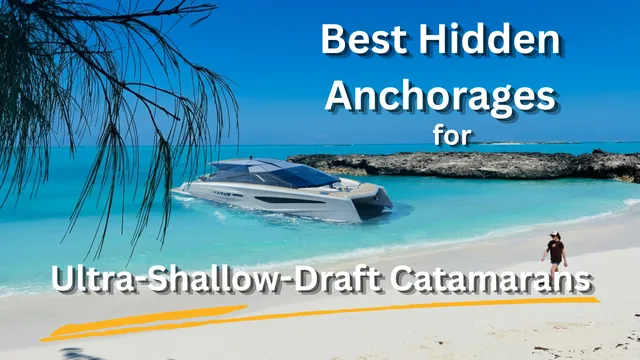
Catamarans enjoy certain operational advantages. Their wider footprint and twin hulls provide superior stability and a shallower draft, making them more comfortable at anchor and granting access to shallow bays and coral lagoons. Fuel efficiency at displacement speeds is generally better because of reduced drag. However, the need for two engines, two propeller shafts and twice as many systems can increase maintenance and spares costs. The owners of both a monohull and a catamaran, writing on No Texting & Tacking, recommend budgeting around 10 % of the boat’s value for annual maintenance.
Dockage and storage
Catamarans’ larger beam often requires two slips in a standard marina. YachtSite explains that marina costs for catamarans are generally about twice the cost of a comparable monohull, as they occupy double the space. End‑tie berths – at the ends of docks – can reduce this premium to 25–50 %, but such spaces are limited. Smaller cats like the PDQ 36 or Gemini 105 may squeeze into standard slips and pay the same as monohulls. Owners who cruise extensively and anchor outside marinas avoid these costs altogether, but those planning to home‑port in crowded regions should verify slip availability before purchasing a wide‑beam catamaran.
Insurance, resale and other considerations
Insurance premiums for catamarans and monohulls are similar when adjusted for value and usage, though some insurers charge more for high‑performance cats because of their speed. Resale values vary with market demand; catamarans have enjoyed strong appreciation in recent years due to charter demand and the growth of remote work lifestyles. Monohulls, meanwhile, offer more options at lower price points and may be easier to find at a bargain. Ultimately, the choice between a monohull and catamaran should account for cruising preferences, lifestyle needs, storage availability and budget.
What Smart Yacht Buyers Budget For
Contingency reserves
Surprises are inevitable in yachting. Experienced owners set aside a contingency fund of 10–20 % of their annual budget to cover unexpected repairs, emergency haul‑outs and sudden equipment failures. This reserve also provides flexibility for opportunistic upgrades or unplanned cruising adventures. Without a cushion, owners may face difficult trade‑offs when faced with a high‑cost repair or risk delaying essential work to their yacht’s detriment.
Upgrades and technological refreshes
Technology on yachts evolves quickly. Buyers who plan to own a vessel for more than a few years should budget for regular upgrades to navigation systems, audiovisual equipment and connectivity. Battery technology, hybrid propulsion, solar integration and stabiliser systems are advancing rapidly; adopting these technologies can improve efficiency and comfort but requires capital.
Future refits and soft‑goods replacement
Interiors age faster than hulls and machinery. Soft goods such as upholstery, carpets, wall coverings and linens should be refreshed periodically, especially on charter yachts where wear is high. Interior designers may recommend full makeovers every 5–7 years to stay current with luxury trends and maintain market appeal. Refits also provide opportunities to reconfigure layouts, or incorporate new entertainment spaces.
Unexpected repairs
Unexpected issues can range from minor leaks to major mechanical failures. Corrosion, electrical shorts, storm damage and accidents with underwater obstacles are all part of yacht life. Older yachts and those operating in harsh climates face more wear and require more frequent care. Having a network of trusted shipyards and contractors in different regions helps expedite repairs and control costs.
The Value Side of Ownership
Freedom and privacy
Despite the financial commitments, yacht ownership offers a level of freedom and privacy unmatched by other luxury assets. A yacht is a private island that moves; owners can wake up in Saint‑Barthélemy, dine in St. Martin and sleep under the stars off Antigua – all without crowds. For families and friends, a yacht is a secure retreat where memories are made away from prying eyes.
Family experiences and shared adventures
Time on the water can strengthen family bonds. Days spent snorkeling in secluded bays, fishing with grandchildren or exploring remote cultures create stories that endure long after the voyage ends. Yachts also offer a platform for multigenerational travel; with multiple cabins and recreational toys, they can host grandparents and grandchildren with equal ease.
Travel flexibility and cultural immersion
Unlike land‑based resorts, yachts unlock remote destinations and flexible itineraries. Owners can adjust plans according to weather, local festivals or personal whim. Cruising by private yacht allows guests to experience cultures from a unique perspective – from local markets on Mediterranean islands to uninhabited atolls in the South Pacific. For frequent travellers, a yacht can double as a mobile office, enabling work and leisure in tandem.
Long‑term value and pride of ownership
Although most yachts depreciate over time, well‑maintained vessels from prestigious builders can hold value better than mass‑produced boats. Proper maintenance, documented refits and tasteful interiors will appeal to future buyers or charter clients. More importantly, many owners view their yacht not as an investment in the traditional sense but as a reward for success and a vehicle for once‑in‑a‑lifetime experiences. The intangible returns – peace, beauty, family unity and adventure – often justify the financial outlay when budgets are managed wisely.
Conclusion
Buying a yacht is a dream rooted as much in the heart as in the head. To enjoy that dream without regret, it is essential to understand and plan for the full spectrum of costs. Total cost of ownership encompasses far more than a builder’s price list: surveys, taxes, delivery, annual operating expenses, crew and management, insurance, maintenance, refits, and depreciation all play a role. Rule‑of‑thumb estimates suggest budgeting between 10 % and 20 % of a yacht’s value per year for operations and maintenance, with exact figures influenced by size, usage, region and personal service expectations. For superyachts, crew and fuel are major drivers of cost; for smaller yachts, dockage and insurance may weigh more heavily. Catamarans offer stability and shallow‑draft freedom but command higher upfront prices and often double the marina fees of monohulls.
Informed yacht ownership is not about cutting corners but about aligning ambition with realistic budgets. Engaging experienced brokers, naval architects, insurance specialists and management firms early in the process helps buyers make decisions that suit their lifestyles. Structured ownership through LLCs or family offices can reduce liability and optimize tax outcomes. Chartering can offset some costs but should not be relied upon to generate profit. Above all, prospective owners should view a yacht as both a financial commitment and a source of immense personal satisfaction. When the numbers add up and the passion is there, the investment pays dividends measured not in spreadsheets but in sunsets seen from a private deck and the freedom to explore the world on one’s own terms.
Cost of Ownership FAQ
Industry benchmarks suggest allocating 10–20 % of the vessel’s value annually for operating expenses such as fuel, crew, dockage, insurance and maintenance.
Buyers must budget for surveys, legal fees, registration, taxes, import duties, delivery, initial upgrades and crew recruitment before the first cruise.
A captain alone may earn US$80,000–US$150,000 per year. Superyachts carrying eight to fifteen full‑time crew can spend over €1 million annually on payroll and benefits.
Routine maintenance and scheduled yard work typically consume 5–10 % of the yacht’s purchase price per year, with extra set aside for unscheduled repairs and refits every 5–7 years.
Catamarans usually have higher purchase prices and often require two slips, pushing marina costs higher. They offer superior stability and fuel efficiency, but maintaining two hulls and systems can be more expensive.
Comprehensive yacht insurance generally costs 0.5–2 % of the vessel’s value per year. Premiums depend on cruising area, vessel age, condition and usage.
Charter income may offset a portion of annual expenses, but most yachts do not break even. Chartering also increases wear, regulatory obligations and crew demands.
Options include personal ownership, LLCs or corporate structures, and family offices. Each offers differing benefits for liability protection, privacy and tax efficiency. Always consult maritime attorneys and tax advisors.
Yachts offer unparalleled freedom, privacy, multigenerational experiences and travel flexibility. For many owners, these intangible rewards outweigh the significant financial commitment.
Yes!
LANIAKEA has been engineered to simplify several areas of long-term ownership. Her carbon-composite hull and superstructure do not corrode like steel or aluminum, helping reduce corrosion-related maintenance. The outboard propulsion configuration also avoids conventional shaft lines, propellers and associated underwater machinery, making servicing more accessible and allowing individual engine units to be maintained or replaced more easily.
In addition, LANIAKEA’s extensive options list allows owners to select propulsion, energy systems, equipment and onboard features according to their intended use, rather than carrying unnecessary complexity. While every yacht requires regular professional maintenance, these design choices can reduce servicing time, simplify access to key systems and lower certain maintenance costs over the yacht’s lifetime.
Interested in learning more about LANIAKEA or discussing your own custom yacht project?
Contact Us